
28/10/2026
We participated in the developing the Ansenuza Management Plan, a key tool for guiding conservation decisions over the next ten years.
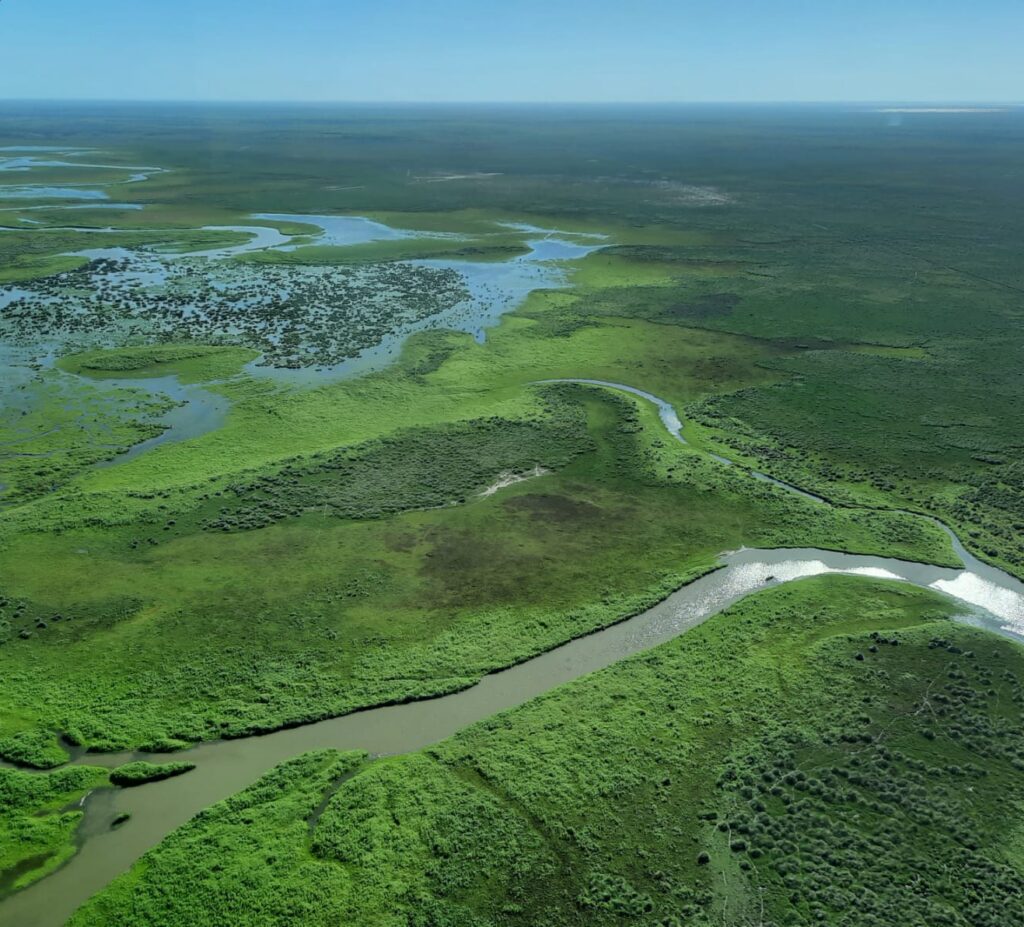
Established in 2022, Ansenuza National Park protects 661,416 hectares in the province of Córdoba and is part of a much larger wetland system comprising the Mar Chiquita Lagoon and the Bañados del Río Dulce.
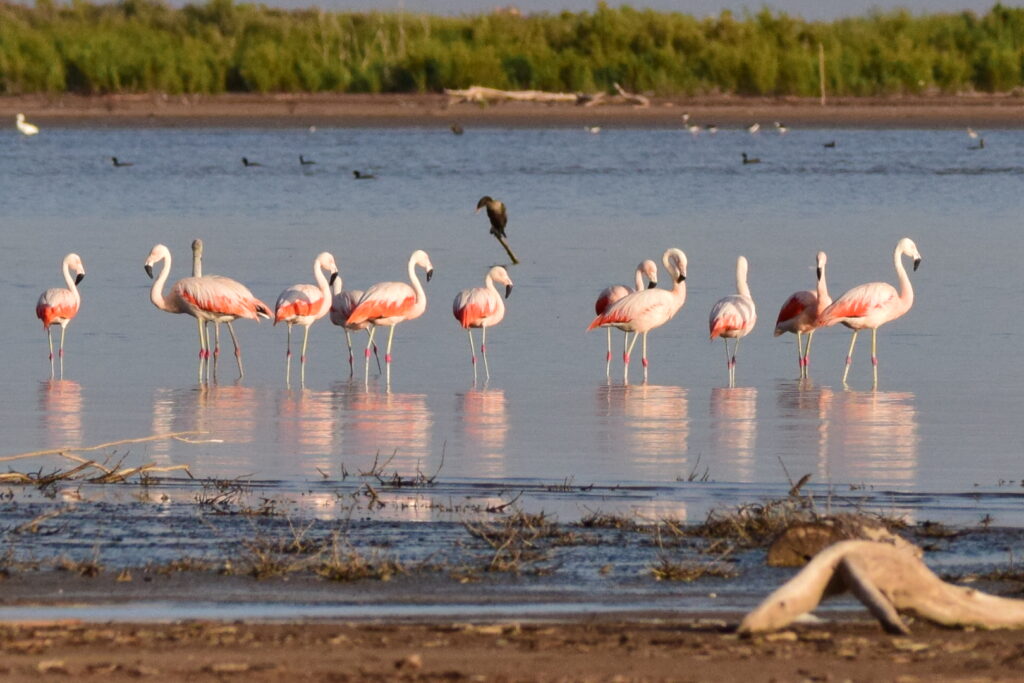
The designation of this place as a National Park was a crucial step toward conserving one of South America’s most important wetlands. Of immense natural, social, and cultural value, this region features a dynamic landscape shaped by the water cycle, where lagoons, marshes, grasslands, woodlands, muddy beaches, and other habitats coexist, supporting a wide variety of species.
Protected areas are one of the main tools available for conserving biological and cultural diversity while also sustaining the goods and services that ecosystems provide to their communities. Their establishment is supported by national, provincial, or municipal legal instruments and, in some cases, by international recognition—which constitutes a fundamental first step.
But creating a protected area isn't enough.
For a protected area to effectively translate into conservation and concrete actions, much more is needed: identifying which natural and cultural values require greater attention, setting priorities, and reaching agreements on how to manage the area in the long term. This is what enables the development of tools to guide its management, set priorities, regulate land use, and facilitate decision-making in response to challenges that arise over time.
The Management Plan is provided here.
Plan for Better Conservation
A territory is not just a map. It is inhabited by people, communities, institutions, organizations, and governments that have different knowledge, experiences, and interests. And that is precisely why conserving Ansenuza requires much more than simply protecting an area on a map.
It requires knowledge, planning, coordination, and, above all, agreements. Planning for management means creating a shared roadmap for the long-term stewardship of a territory. But how do we decide what to conserve, how to go about it, and who should be involved in those decisions?
A management plan makes it possible to understand and organize the natural and cultural values of a protected area; identify the main threats; and establish objectives, strategies, and actions to achieve a conservation vision. And when that planning is done in a participatory manner, the chances of it translating into concrete actions are much greater.
That is why planning the management of a protected area in a participatory manner provides an opportunity for different perspectives to come together. Participation does not simply mean being consulted.
It involves creating spaces where those who know and live in the area can share information, raise concerns, discuss priorities, and reach agreements. It also means recognizing that scientific knowledge is essential, but that it is not the only type of knowledge needed to understand a region.
Ultimately, participating is also a way to preserve.
When decisions are made collectively, it is possible to foster greater ownership of conservation goals, strengthen ties between institutions and communities, and, above all, develop management tools that are more attuned to the reality of the territory. This is especially important in large and complex protected areas, where conservation depends on multiple stakeholders and coordination across different jurisdictions.
Working Together to Build a Better Future
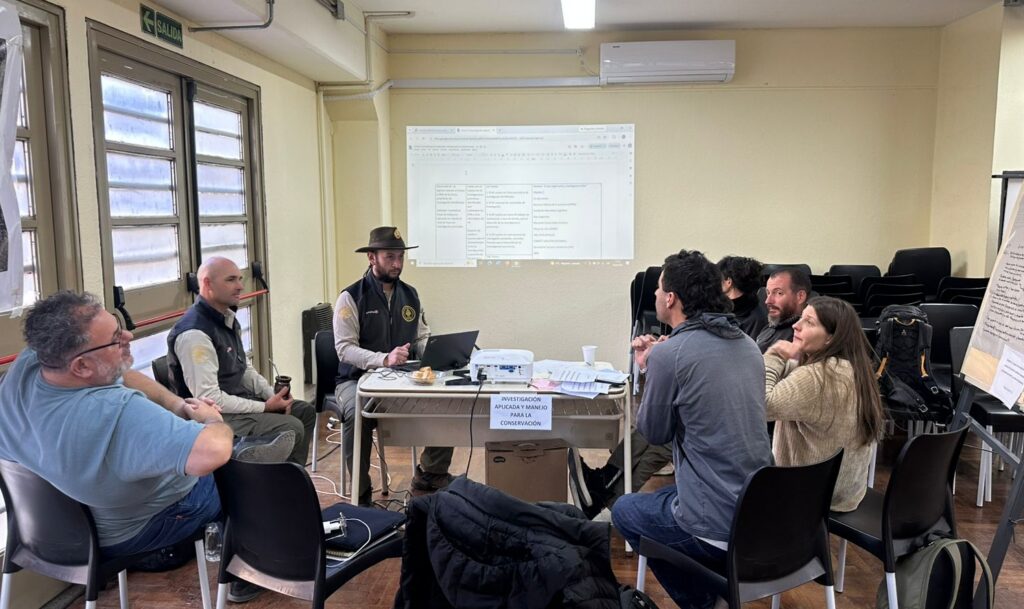
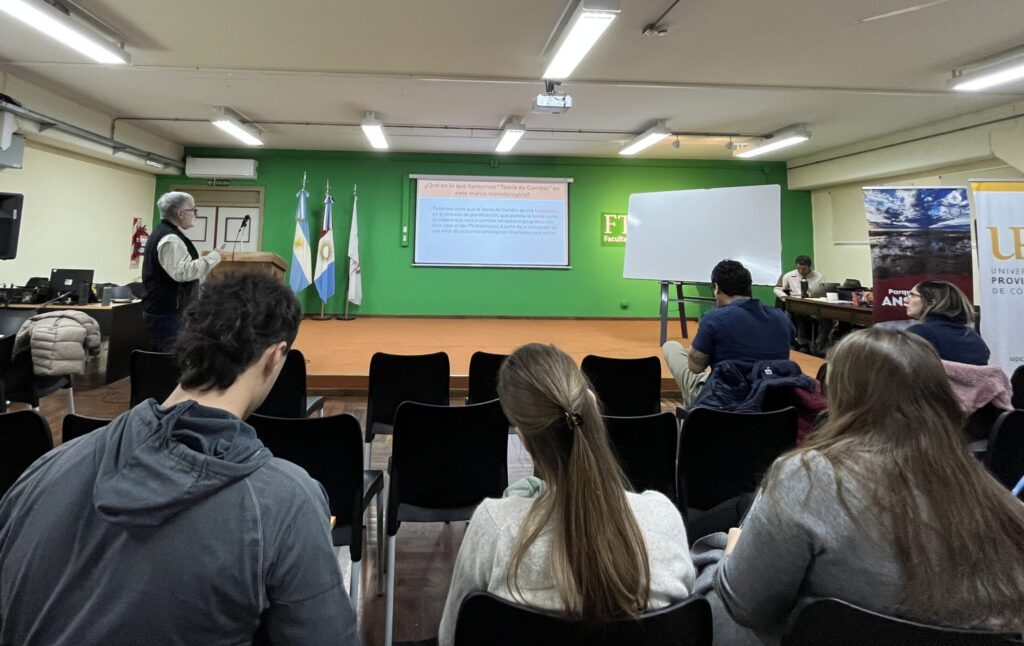
During the first half of 2025, Fundación Naturaleza Argentina supported the launch of the process to develop the Ansenuza National Park Management Plan. During that initial stage, we met with the consulting team leading the process; we participated in scientific and technical workshops; and we shared information and knowledge—generated through the Foundation’s work in the area—which served as essential inputs for the planning process.
Throughout 2026, the process moved toward new stages of collective development. In August and September, we worked intensively with other stakeholders to define the key management elements—that is, the natural and cultural values that require special attention to guide conservation efforts. We also shared our perspective on the change we want to help bring about—from today through the next ten years—and participated in the debate on the proposed zoning plan for the area.
While these discussions may seem technical, they raise very key and profound questions that are essential for taking the following actions: What do we want to conserve? What threats must we address? How do we envision this territory ten years from now? What activities can be carried out, and under what conditions? How can we ensure that conservation and the well-being of communities move forward together?
There are no simple answers, which is why it is so important to discuss them with different people in order to improve the management plan.
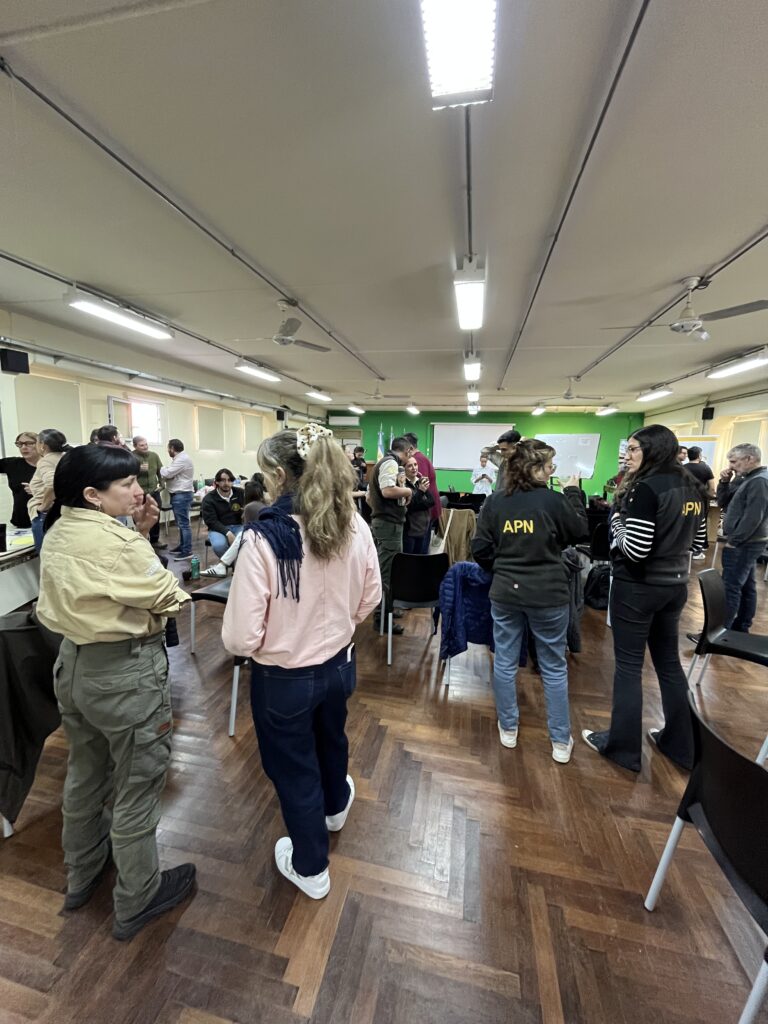
A construction project that is just getting started
A Management Plan is not the end point of a process, but rather a living tool that helps guide and review the management of the protected area over time. The value of these participatory processes lies not only in the document that is ultimately approved, but also in the networks that are built during the planning process—in the opportunity to recognize different perspectives and find common ground.
In Ansenuza, the synergy among institutions, organizations, and individuals connected to the region represents a tremendous opportunity to consolidate a shared vision of conservation. At Fundación Naturaleza Argentina, we believe that conservation means building agreements. And that those agreements are stronger when they are built on knowledge, participation, and commitment.
Today, as we await the next steps in the process of developing the Ansenuza National Park Management Plan, we remain convinced that everything accomplished to date provides a valuable foundation for strengthening its implementation.
Ansenuza is just a step away from having a vital tool to better conserve one of South America's most important wetlands. Y ese paso, para que sea firme y duradero, tenemos que darlo entre todos. Porque caminar en pos de la conservación de un territorio es aprender a gestionarlo juntos.