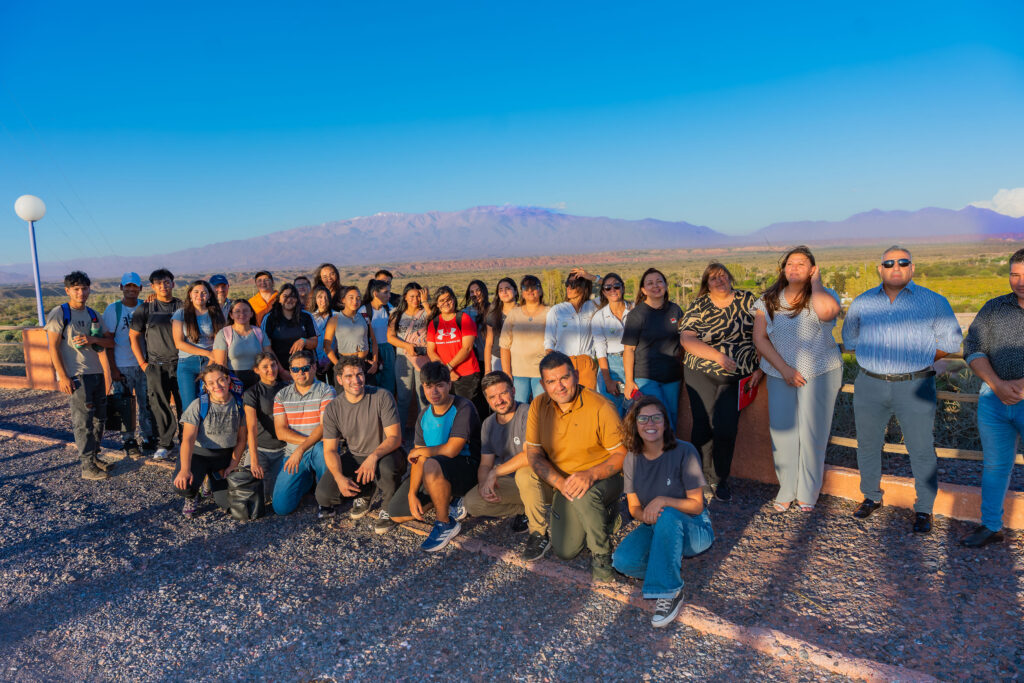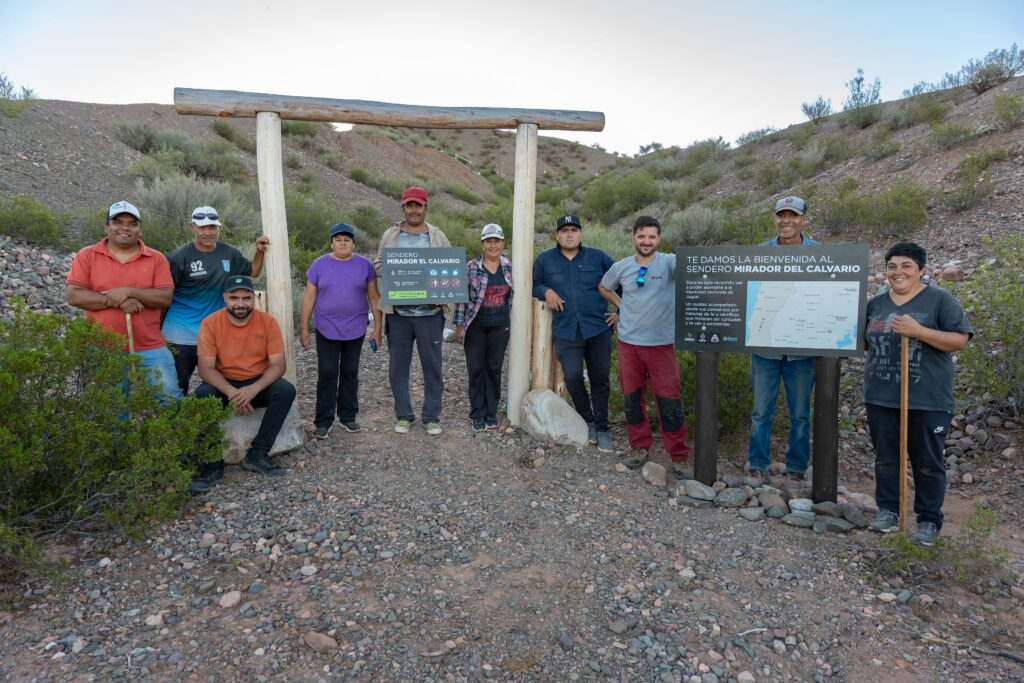
In the Famatina Mountains, management partnerships are consolidating tourism transformation through the enhancement of its iconic trails. All the work behind the installation of signage goes far beyond the beauty of the landscape.
After months of collaborative work, a comprehensive trail enhancement process was completed, connecting three key points in three departments: the "La Loma" viewpoint in Villa Unión, the "El Calvario" viewpoint in Alto Jagüé, and the Cerro El Toro archaeological site in Villa Castelli.
This initiative was not limited to an aesthetic renovation; it was a profound redesign aimed at improving access according to sustainability criteria and restoring these trails to their ancestral character. Today, the trails connect geographical points and act as bridges between history, culture, and the imposing landscape of La Rioja.
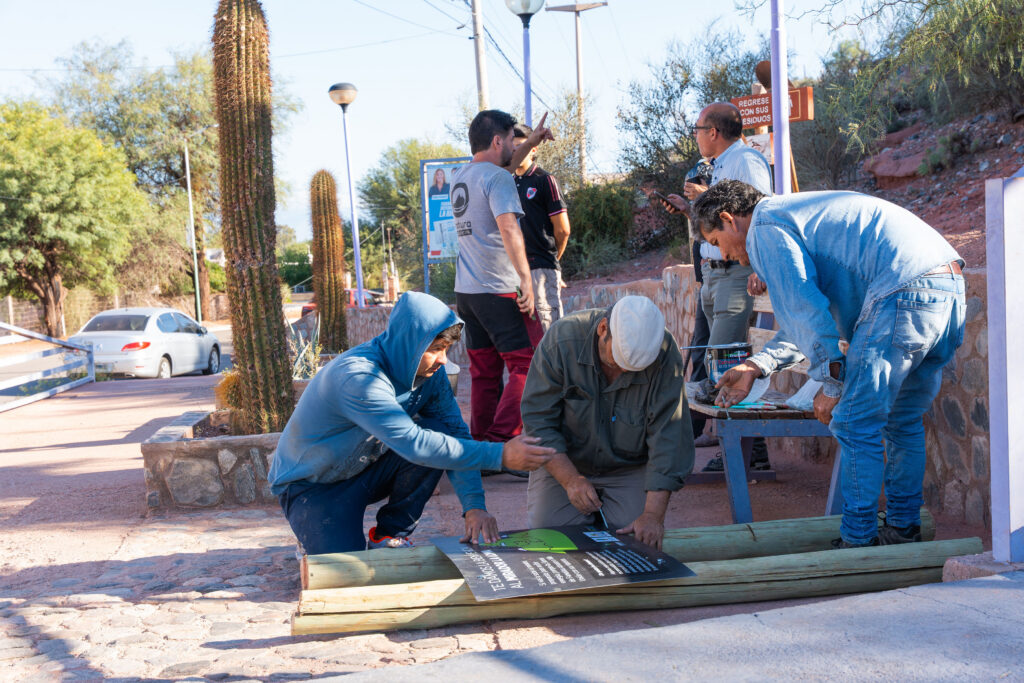
A process with installed capacity
How to design a trail? What to say about the place, the wildlife, the people? How to maintain the facilities? What signs to put up and where? The project concludes today with the installation of signage, but behind it lies a long, interdisciplinary process, which included intensive training for local technicians in trail maintenance, ensuring that the community has the tools to sustain this deployment of resources over time.
The revitalization of these spaces included intensive training for local technicians and guides in trail maintenance and the design of interpretive experiences. This strengthening of local capacities guarantees that the community has the necessary tools to manage and sustain this heritage over time.
Damián, a local guide from Cerro El Toro, participated in the design of the complete trail experience, including its narrative script, and reflects on the impact of the project: "Working together in this place has been wonderful; this site is unique in the country and today it lives up to what our visitors deserve."
On his tour, Damián teaches us to observe and listen to the silence. He also surprises us with stories of how the community has used the reserve's spaces, from the times of other cultures to the present day. Sitting there observing the Famatina mountain range, learning about the village festivals, and exploring its trails are all part of a holistic approach to the project.
Highlights of the revitalization
"El Calvario" Viewpoint (Alto Jagüe):
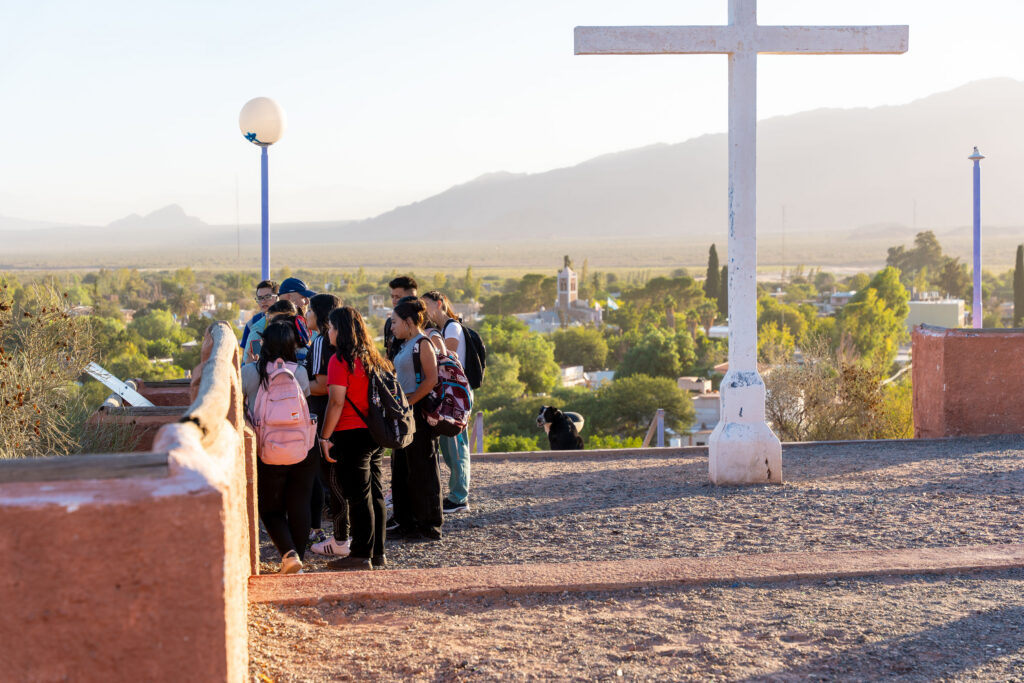
With its breathtaking 360° view, the 230-meter trail now features a collaboratively designed interpretive system. Visitors can grasp the magnitude of the Famatina range thanks to content that integrates local knowledge with technical rigor.
The "El Calvario" trail is key to understanding high-mountain ecosystems.Its new signage allows visitors to understand the geological formation of the Famatina range and the importance of the watersheds that originate in these peaks, which are fundamental to life in the valleys of La Rioja.
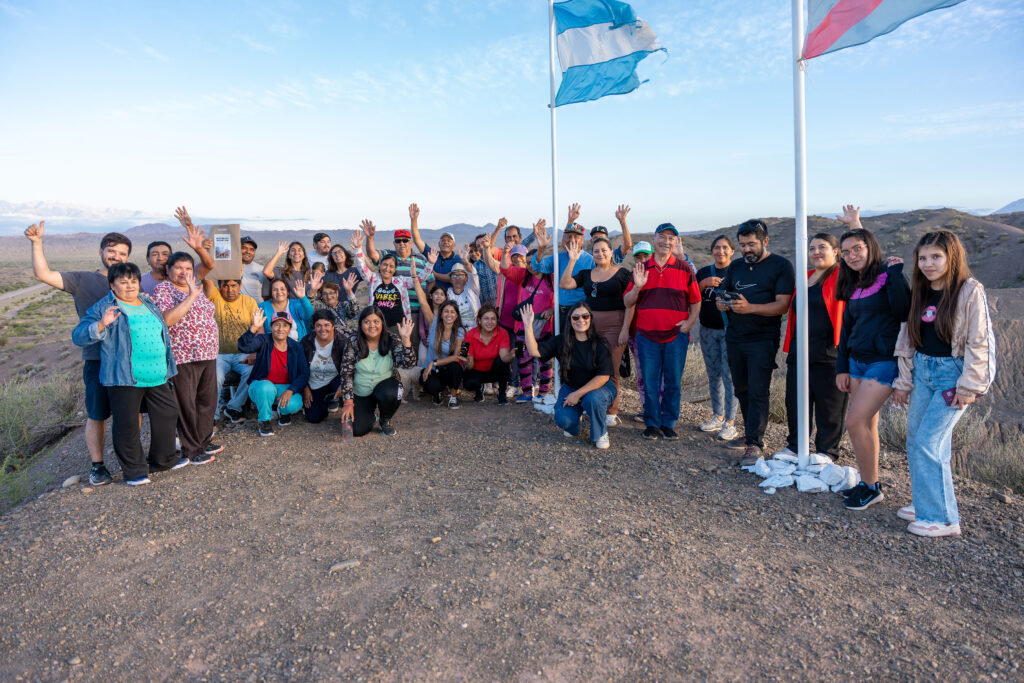
Cerro El Toro Archaeological Site (Villa Castelli):
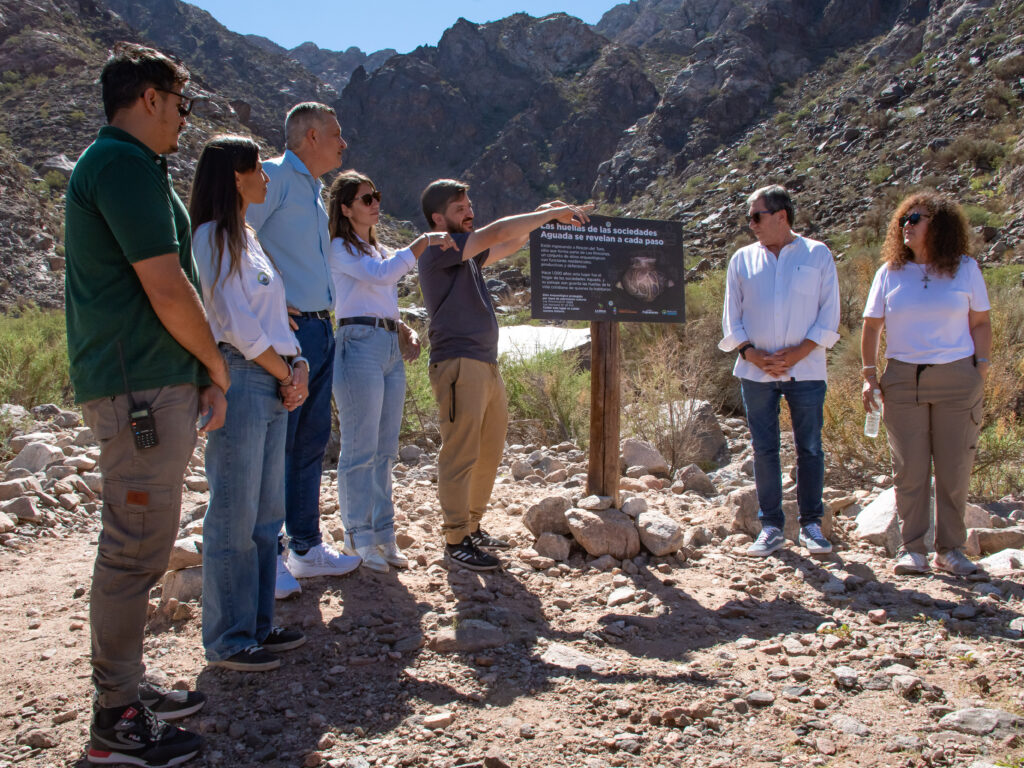
The intervention here was meticulous. Low-impact criteria were applied to protect the archaeological heritage while organizing visitor flow. The visitor experience is now more educational and safer, thanks to a narrative that highlights the site's historical and environmental values. A common narrative was developed to train the site's guides. This is a place to discover the heart of La Rioja's culture, in silent harmony with nature. Furthermore, as a provincial archaeological site, the intervention was carried out with the authorization, collaboration, and assistance of the Provincial Undersecretariat of Heritage and Museums.
At this provincial archaeological site, the intervention was conducted under strict low-impact conservation criteria to safeguard highly sensitive pre-hispanic structures. By organizing visitor flow, soil erosion and the deterioration of cultural remains are prevented. The work ensures that the experience is educational, safe, and, above all, respectful of the natural environment.
"La Loma" Lookout – Villa Unión:
This interpretive trail was designed under the premise that the Famatina Mountains not only frame the landscape but also "embrace" the community through their many resources. Along its four viewpoints, the new signage invites visitors on a journey of discovery: from the historical and cultural richness of the first rest stop, through the vital value of water resources and the productive capacity of the valley, culminating in the imposing scenic beauty of the summit.
La intervención integral de este sendero interpretativo es el fruto de una sinergia ejemplar entre el municipio, instituciones educativas y Fundación Naturaleza Argentina, logrando una puesta en valor definitiva de este espacio emblemático. Más allá de la mejora en la infraestructura, la readecuación del sendero permite hoy una conexión profunda con el entorno; la nueva narrativa instalada guía al visitante a través del paisaje, revelando el valor cultural y la biodiversidad que hacen de este sitio un orgullo para la comunidad local. Con esta transformación, “La Loma” se consolida como un aula abierta a la naturaleza y un balcón privilegiado hacia la identidad de la región.
A collective achievement
This rebirth of the trails is the fruit of a broad strategic alliance involving municipalities, various tourism providers and organizations, and local communities. The collaborative and interdisciplinary result underscores the project's success.
"These are spaces designed to learn more about our mountains, their history, their nature, and our relationship with these territories. It's a proposal we worked hard on to highlight the value of these landscapes," says Andrés Baissero, a technician at Fundación Naturaleza Argentina.
The revitalization of the Sierras de Famatina thus positions itself as a management model: responsible tourism that not only invites contemplation of the landscape but also encourages inhabiting it with respect, knowledge, and a deep sense of belonging. This is just one part of a larger process for tourism in western La Rioja: the consolidation of a vibrant, well-maintained destination ready to be discovered.